What to Do During a Boil-Water Advisory in New Jersey
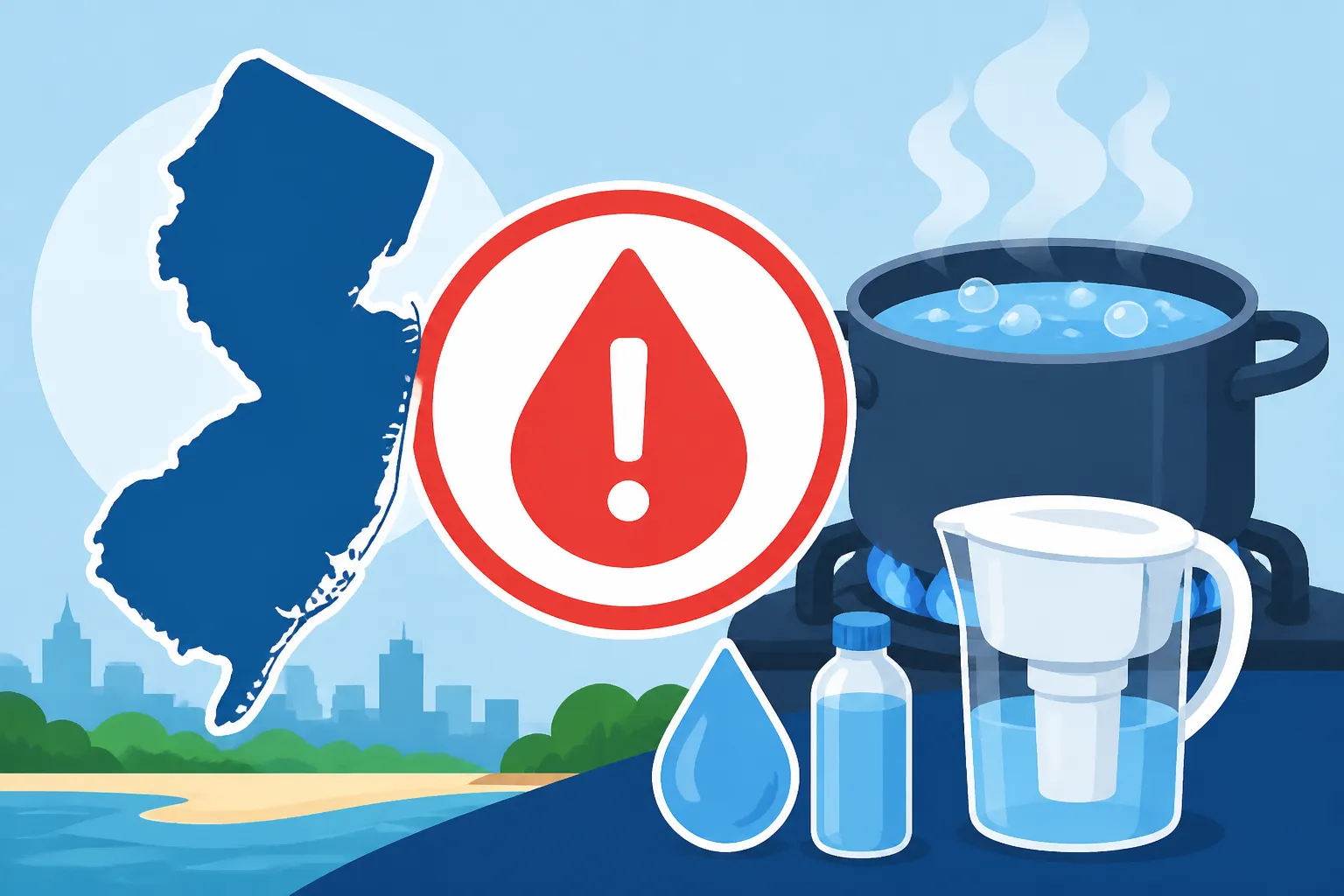
A boil-water advisory can leave you unsure whether to drink from the tap, cook, brush your teeth or use appliances. The safest approach in New Jersey is to confirm that the notice covers your address, follow its exact instructions, and use bottled or properly boiled water for any activity the notice identifies. Keep using those precautions until the water supplier or health authority officially lifts the advisory.
Start by treating the notice as specific instructions
A boil-water advisory is a direction to take precautions with tap water, not a reason to guess which uses are safe. Read the notice carefully, including any instructions about boiling, bottled water, household activities and when to expect an update. If the notice gives different guidance from general advice you have seen elsewhere, follow the notice and ask the issuing utility or agency to clarify anything that is unclear.
Do not assume that every advisory has the same cause or covers the same area. Notices can be tied to a particular water system or a smaller service area, and the instructions may be tailored to the situation. A neighbor’s report, a social media post or a sign in a different neighborhood may not tell you whether your own tap is affected.
If you received a notice, save it or take a screenshot. Keep the supplier’s name and the notice’s contact details with it, so you can check for updates without relying on a forwarded message. If the notice does not clearly identify the affected streets, buildings or service area, contact the water supplier using the contact information on its official website. For ways to verify coverage, see Does a New Jersey Boil-Water Notice Cover Your Street? How to Check.
During an advisory, a cautious default is to use bottled water or water treated exactly as the notice directs for drinking, food preparation and other activities involving water that could be swallowed. Do not assume that water is safe simply because it looks clear, has no unusual smell or tastes normal. Appearance and taste do not confirm whether the advisory applies or whether it has ended.
| Situation | Safer approach during an advisory |
|---|---|
| You have a notice for your address | Follow its instructions and check for updates from the issuing supplier or agency. |
| You are unsure whether your address is covered | Verify the service area with the supplier through its official website or contact channel. |
| You need drinking or cooking water | Use bottled water or water prepared as directed in the notice. |
| You have a filter, dispenser or treatment unit | Do not rely on it as a substitute for the notice’s instructions unless the supplier or health authority says it is appropriate. |
| You see a message saying the advisory has ended | Confirm that it is an official update for your service area before returning to normal use. |
Water suppliers also send notices for other water-quality issues. The New Jersey Department of Environmental Protection says suppliers are required to notify customers if the levels of any monitored chemicals exceed the standards. That notification requirement is not a reason to treat every water-quality notice as a boil-water advisory: read the actual notice to understand what it asks you to do.
For more on how urgent water messages are shared, see How New Jersey Utilities and NJDEP Announce Urgent Water Advisories. If your notice is connected to a main break, Who to Call About a Main Break or Boil Notice in New Jersey? can help you think through whom to contact.
Confirm that your address is included
Before changing how you use water, check whether the advisory covers your home, workplace or other location. Water service boundaries do not always match town boundaries. A municipality may receive water from more than one supplier, or a supplier’s notice may apply only to part of its system. Being in the same town as someone who received a notice is not enough to establish that your address is covered—or that it is not.
Look for the service area named in the notice. It may identify streets, neighborhoods, buildings, pressure zones or another defined area. Compare that information with your service address, rather than relying on a general description such as “near the break” or “in town.” If you are in an apartment, ask building management whether the notice applies to the building and whether management has received any additional instructions. Renters can also contact the water supplier directly to confirm their address.
Your water bill is a useful place to start if you do not know which supplier serves you. The supplier named on a bill may be different from the municipal government, and your sewer provider may be a separate organization. If you do not have a bill, ask the property owner or manager, or use the official water-system lookup tools described in Not Sure Which NJ Water System Serves You? Start With Your Bill.
If the notice is difficult to interpret, ask the supplier to confirm:
- Whether the advisory applies to your exact service address.
- Which tap-water uses require bottled or boiled water.
- Whether any building-specific instructions apply.
- Where to find official updates and how the supplier will announce that the advisory is over.
If you live in a rental property, do not rely only on a message from a neighbor or a building-wide chat. Ask the landlord or property manager to share the actual notice, and verify the service area if anything is uncertain. Renters who want to plan ahead for missed alerts can read How Can New Jersey Renters Get Boil-Water Alerts They Would Miss?.
The same caution applies when you are away from home. If you are staying in a hotel, visiting a relative or using a shared workplace kitchen, ask whether the location is covered and whether its staff has received specific instructions. Do not assume a nearby business uses the same water system as your home.
If you are outside the area named in the notice, do not spread the message as though it applies to everyone in town. Instead, share the official notice and encourage others to confirm their own service area. This helps prevent both unnecessary alarm and the more serious mistake of overlooking a real advisory.
Choose safe water for drinking, food and personal care
The notice should tell you what to do with tap water. Until you have clear instructions, use bottled water or water boiled and handled according to the notice for drinking and for preparing foods or drinks that will not be cooked afterward. This includes water used for ice, beverages, rinsing foods that will be eaten raw, and preparing food where the water itself could be consumed.
Use the same cautious approach for brushing teeth and rinsing your mouth. Keep a clean supply of bottled or properly prepared water where it is convenient, rather than turning to the tap out of habit. If someone in your household uses tap water for a task that involves swallowing it, check the notice or contact the supplier before assuming that use is permitted.
For cooking, follow the notice’s directions rather than relying on the fact that a dish will be heated. Some food preparation involves tap water that may not receive enough heat, or it may be added after cooking. Use water the notice identifies as safe for the particular task. When in doubt, bottled water is a practical temporary choice.
Do not use tap water to make ice during the advisory unless the notice specifically says it is safe to do so. Ice made before the advisory is a separate question: check the supplier’s instructions for whether stored ice should be discarded and how ice-making equipment should be handled. Avoid guessing about ice from a dispenser or a freezer tray if you do not know when it was made.
Handwashing and bathing instructions may vary with the advisory. Read the notice for those uses instead of assuming that every activity requires boiling—or that every activity is automatically safe. If a notice says handwashing is permitted, follow its directions for washing hands and take care not to swallow the water. If it gives special cautions for bathing, follow them closely, particularly for anyone who may be more likely to swallow bath water.
For infants, people with specific medical concerns, or anyone whose care routine makes it difficult to avoid swallowing water, ask the local health department or a medical professional for advice. Do not try to interpret a household member’s health risk from the notice alone. A health professional can help with questions about drinking, food preparation or personal care for that person.
Pets also drink water, and bowls can be refilled without much thought. Follow the advisory instructions for animals as well as people. If the notice does not address pet use and you are unsure what is appropriate, ask the supplier or local health department. Use a separate clearly marked container for bottled or properly prepared water so it is not confused with untreated tap water.
A boil-water advisory is about following the specific precautions for the affected water supply. It does not mean that boiling is the right response to every type of water-quality alert. If you have a notice that mentions a chemical concern or another issue rather than a boil-water advisory, read it carefully and contact the issuing authority about the appropriate response.
Boil and handle water as the notice directs
If the notice tells you to boil water, follow its directions for how to do so. Do not substitute a guess about boiling time or temperature for the instructions provided by the supplier or health authority. For a walkthrough of the process, see How to Boil Water Properly During a New Jersey Advisory.
Before heating water, use a clean pot or kettle and avoid filling it beyond a safe level. Handle hot water carefully, especially around children, pets and anyone who may have difficulty carrying a hot container. Let the water cool in a clean, covered container if it will not be used immediately. Keep prepared water separate from unboiled tap water, and use a clean cup or utensil when pouring it.
Do not assume that putting tap water through a pitcher filter, refrigerator dispenser or countertop device is equivalent to following a boil instruction. Filters vary in what they are designed to reduce, and the presence of a filter does not by itself establish that water is suitable during an advisory. Check the notice and the device’s manufacturer information, and ask the supplier or health authority if the answer is not clear. See Do Pitcher and Fridge Filters Count During a Boil-Water Advisory? for more on that question.
The same caution applies to under-sink systems and reverse osmosis units. A treatment system may be designed for particular water-quality concerns, but that does not automatically mean it is suitable for the condition behind an advisory. Do not treat a filter label or a salesperson’s general claim as a substitute for official instructions. The questions discussed in Reverse Osmosis During a Boil-Water Advisory: A New Jersey Caution can help you avoid relying on an assumption.
If you choose bottled water, keep its container clean and closed between uses. Pour it into a clean cup rather than dipping a cup or other object into the bottle. If you use a separate container for boiled water, label it or store it apart from containers used for untreated tap water. These simple habits help prevent confusion while several household members are using different water sources.
Plan for the tasks that tend to happen automatically: filling a kettle, preparing coffee, rinsing a cutting board, refilling a pet bowl or making ice. Put a reminder near the sink or dispenser, and keep the alternative water supply close to where it will be used. This is especially helpful in a busy household, where one person may not know that another has already checked the notice.
Avoid preparing a large supply of boiled water unless you can cool and store it safely. Use clean, covered containers and do not top up prepared water with untreated tap water. If a container has been used for another purpose or has an unclear history, choose a clean container instead. When the advisory instructions provide specific storage or handling directions, follow those over general household habits.
If you cannot boil water safely, or do not have a suitable way to do so, use bottled water and ask the supplier what other arrangements or recommendations are available. Do not attempt an improvised heating method that creates a burn or fire risk. The water supplier can clarify the advisory, while local health officials can answer questions about health precautions.
Be cautious with appliances, filters and shared plumbing
A household appliance can use tap water even when no one is standing at the sink. Ice makers, refrigerator dispensers, coffee machines, water coolers and some food-preparation equipment may draw directly from the plumbing. Do not assume that a device’s internal filter makes its water safe during the advisory. Follow the notice’s instructions for each appliance and contact the manufacturer or supplier if you need help identifying how it is connected.
Avoid using an appliance in a way that would put untreated water into food or drink. If the notice says to stop using an ice maker, dispenser or other device, do so until the supplier gives instructions for returning it to service. Do not assume that turning it off is the only step needed afterward; the notice or supplier may provide additional directions for cleaning, flushing or replacing a filter.
If your home has a treatment system, find out what it serves. A device may treat only a drinking-water tap, or it may be installed where it affects more of the house. Its purpose and the water it treats matter, but they do not change the advisory’s instructions on their own. If the system’s manual is available, check the manufacturer’s guidance; if there is uncertainty about whether it is appropriate during the advisory, ask the issuing water supplier or health authority.
Multi-unit buildings can add another layer of uncertainty. A building may have shared plumbing, a common storage tank or equipment managed by the owner. Residents may not know whether a particular tap, dispenser or appliance is connected to the same supply as the rest of the building. Ask building management to confirm the affected water sources and share any instructions it receives from the supplier.
Workplaces, schools, restaurants and other shared facilities should also follow the notice for their location. If you are responsible for a kitchen or drinking-water station, do not make your own interpretation based on the building’s usual routine. Confirm the notice with the supplier, follow the facility’s applicable health guidance and ensure that staff receive consistent instructions. If you are a visitor, ask the staff what water is being provided rather than assuming a fountain or dispenser is unaffected.
A sudden change in pressure or a main break may prompt questions about whether an advisory applies. The cause of the interruption does not let a customer determine safety by sight or by checking whether water has returned. Wait for official instructions and use the advisory’s precautions if your service area is included. For information on that situation, see Does a Water Main Break in New Jersey Mean Boiling Your Water?.
Do not use a water treatment product as a reason to ignore or shorten an advisory. Treatment claims are specific to particular contaminants and operating conditions; they are not a general guarantee for every urgent water event. Keep the notice available when you contact a supplier or equipment installer, and ask a direct question about the exact model and use rather than asking whether the unit “filters everything.”
Help household members follow the same precautions
An advisory is easier to manage when everyone in the home knows which water is okay to use and where to find it. Share the notice with household members, visitors, caregivers and anyone who prepares food. If someone else may be filling bottles or making meals, tell them what the supplier has instructed and how to check for updates.
Set up a temporary water station away from the tap if that makes mistakes less likely. Keep bottled or prepared water, clean cups and any household reminder together. Do not use an unmarked jug beside the sink if someone could mistake it for untreated tap water. If you are using both bottled and boiled water, mark the container or establish a clear storage location for each.
Think through routines that involve water indirectly. A person may make hot drinks, rinse medication cups, wash produce or fill a humidifier without realizing that the advisory affects that use. Do not assume that every household or medical device is covered by the same general guidance. Check the product instructions and ask a medical professional or the local health department about health-related questions.
If there is a baby, an older adult, a person with a disability or someone who relies on a caregiver, make the temporary arrangements clear to anyone helping with meals and personal care. For individual health concerns, consult a medical professional or local health department rather than trying to make a medical decision from a general advisory notice.
Keep an eye on the needs of anyone who may have trouble following the instructions independently. This could include a child who drinks from the tap out of habit, a visitor unfamiliar with the advisory or a household member who relies on an appliance dispenser. A short written note near the sink, ice maker or kettle can reduce accidental use of tap water.
If bottled water is difficult to obtain or you have trouble heating and carrying water, contact the supplier for guidance on available arrangements. If your concern is about a person’s health or an individual care routine, contact the local health department or a medical professional. Do not rely on a neighbor’s workaround when the official notice does not address your circumstances.
For tenants, ask the landlord or property manager to communicate the same instructions to all residents. If the building has shared amenities, find out whether the management has closed or adjusted any drinking-water stations, ice machines or other equipment. Keep a copy of the notice so you can refer to the exact wording if the information being circulated in the building is incomplete.
Wait for official clearance, then follow restart instructions
Do not stop precautions because the water looks normal, pressure has returned or a neighbor says the issue is fixed. A change in service is not the same as an official notice ending the advisory. Keep using bottled or properly prepared water as directed until the supplier or relevant authority confirms that the advisory has been lifted for your service area.
Check for updates through the same official channels that issued the notice. If you are unsure whether a message is genuine or whether it applies to your address, confirm it with the water supplier using its official website and contact details. A forwarded message may be out of date, may leave out part of the service area or may refer to a different water system.
When the advisory ends, read the clearance message completely. It may include instructions for flushing taps, cleaning or restarting appliances, replacing filters, or discarding stored ice. Follow the instructions that apply to your home and equipment. Do not assume that every supplier gives identical post-advisory directions, or that turning on a tap is enough to complete any recommended follow-up.
If the notice says to flush a fixture or appliance, follow its directions for which outlets to use and how to manage equipment. If it does not address a device you rely on, contact the supplier or the equipment manufacturer before putting it back into normal use. Keep any written guidance until you have completed the steps, especially in a multi-unit building where management may handle shared equipment.
Households with a treatment device should check whether the supplier’s clearance instructions mention it. Do not replace a filter merely because an advisory occurred unless the notice, the manufacturer or a qualified professional advises that step. On the other hand, do not assume that the unit can be used again without any cleaning or service if the instructions say otherwise.
If you still have bottled or prepared water after the advisory ends, follow the supplier’s instructions about any remaining stored water. If the notice gives no guidance and you are uncertain about how to handle a container or appliance, ask the supplier. Once the water system has officially lifted the advisory and you have followed any restart directions, return to ordinary use as instructed.
For what to do after the notice is lifted, see After a Boil-Water Advisory Ends: Flushing Taps and Appliances in NJ. If no official update has appeared and the expected update time has passed, contact the supplier rather than treating silence as clearance. Keep the original notice until the supplier confirms the advisory has ended.
Frequently Asked Questions
Can I drink tap water if it looks and tastes normal?
Do not use appearance or taste to decide whether the advisory applies or has ended. Follow the notice’s instructions and use bottled or properly prepared water as directed until official clearance.
Does boiling water make every kind of water-quality concern safe?
Do not assume so. Boiling is an instruction for certain advisories, not a universal response to all water-quality notices. Follow the notice for the specific issue and ask the issuing authority if the instructions are unclear.
Is a filtered pitcher enough during a boil-water advisory?
Not automatically. A filter’s presence does not show that it is appropriate for the condition behind an advisory. Follow the notice and ask the supplier or health authority before relying on a filter instead of boiling or bottled water.
Can I stop precautions when water service returns?
Not unless the supplier or relevant authority has officially lifted the advisory for your area. Service returning does not, by itself, confirm that the advisory has ended.
Who should I contact if I have a health-related question?
Ask your local health department or a medical professional. Contact the water supplier for questions about the advisory’s coverage, instructions and status.
Sources
- New Jersey Department of Environmental Protection (checked October 14, 2026)
Disclaimer
This article is for general informational purposes only and does not constitute professional advice. Laws, prices and regulations vary by location and change over time. Consult a qualified professional for guidance on your specific situation. New Jersey Water Guide is not a government agency or water utility and is not affiliated with any public water system.