Where New Jersey Cities Get Their Drinking Water
New Jersey cities may use rivers, reservoirs, wells or purchased water; identify your supplier by address and read its report before drawing conclusions.
What comes out of your tap.
City and utility water quality reports, boil-water notices, lead service lines, fluoridation, and what recent state laws changed.
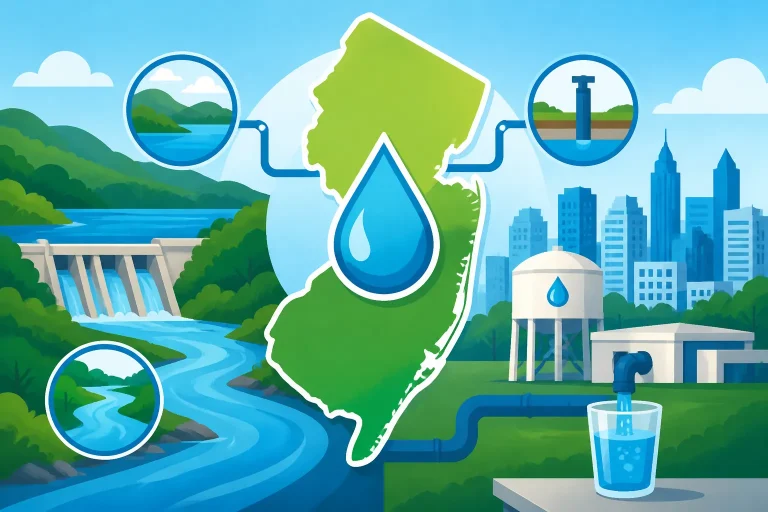
New Jersey cities may use rivers, reservoirs, wells or purchased water; identify your supplier by address and read its report before drawing conclusions.
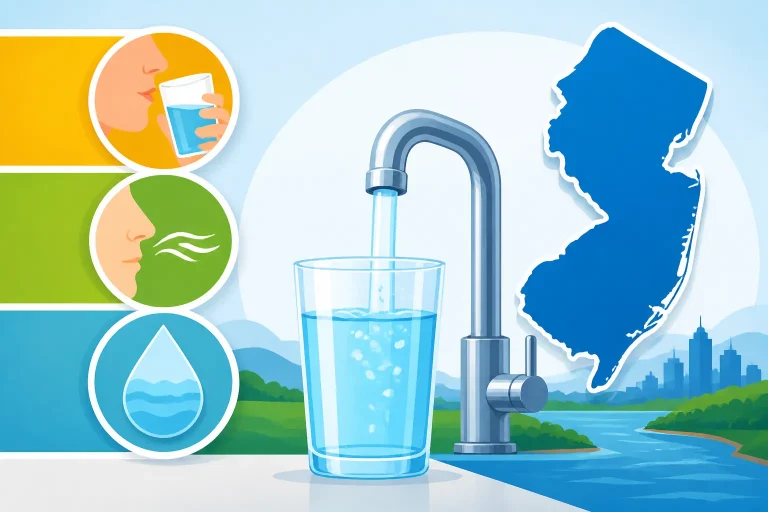
New Jersey tap water changes can come from the supply or home plumbing; use the pattern, timing and utility guidance to choose a safe next step.
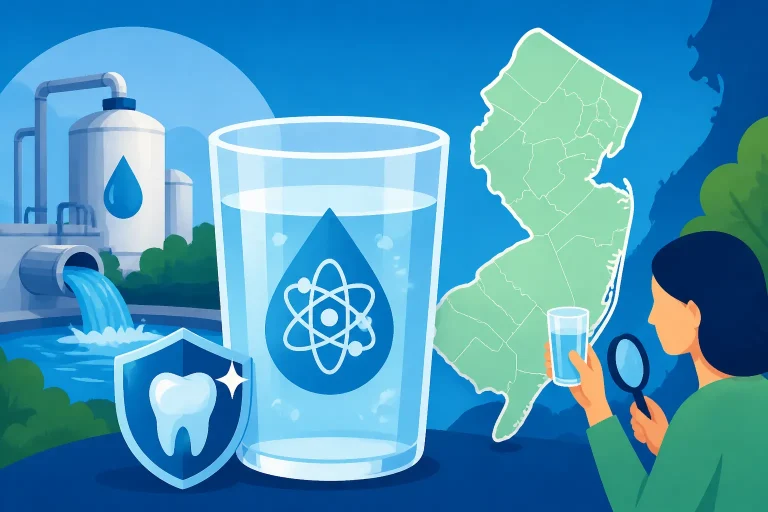
Fluoride in New Jersey public water depends on the supplier and source; verify your service area and ask whether fluoride is added or naturally present.
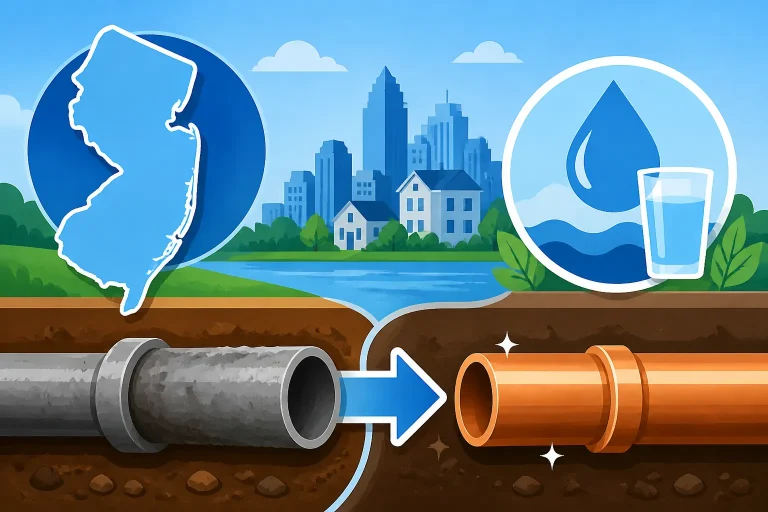
New Jersey lead service-line inventories are a starting point, not a tap-water test. Verify your address, clarify unknowns, and document replacement work.
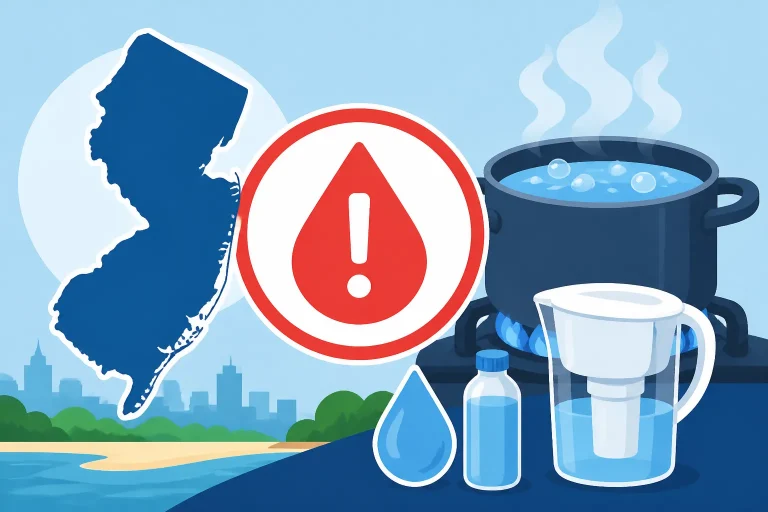
A New Jersey boil-water advisory means use bottled or boiled water as directed, confirm your address is covered, and wait for official clearance.
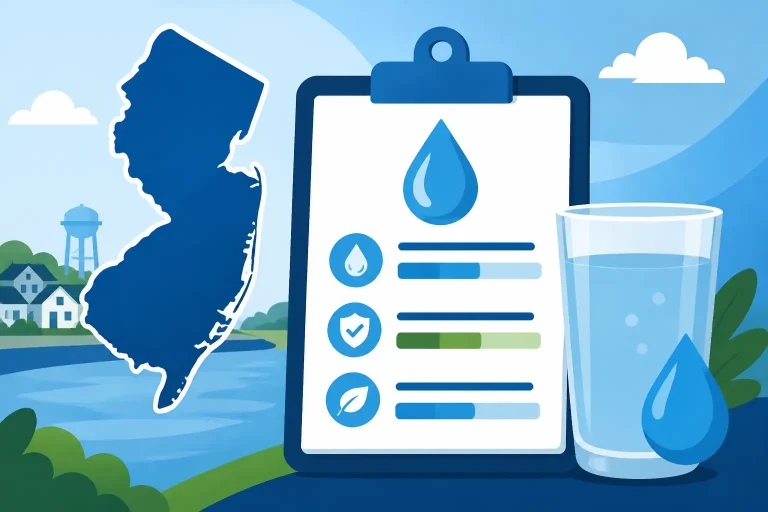
Trying to find a water quality report by street address can lead to a frustrating dead end: reports are usually organized by water system, not by individual home. The useful first step is identifying the supplier that serves your address. From there, you can look for its Consumer Confidence Report, check that it covers your…
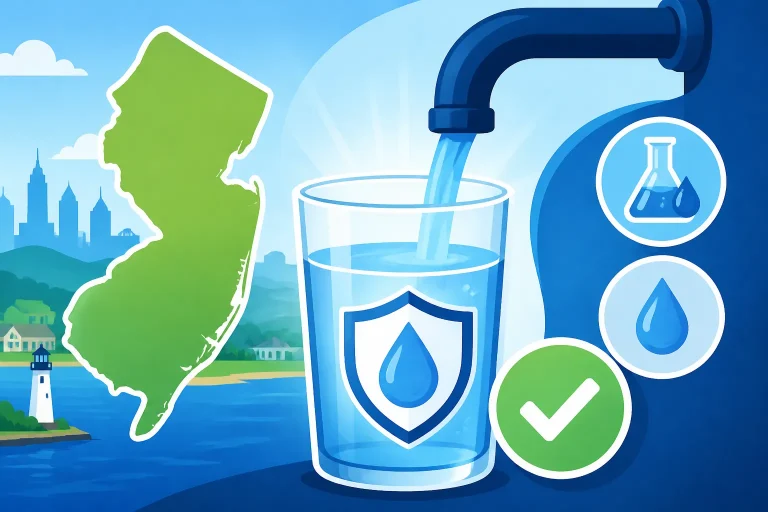
New Jersey tap water safety depends on your supplier, current notices, report results, and home plumbing; verify each before choosing a filter.